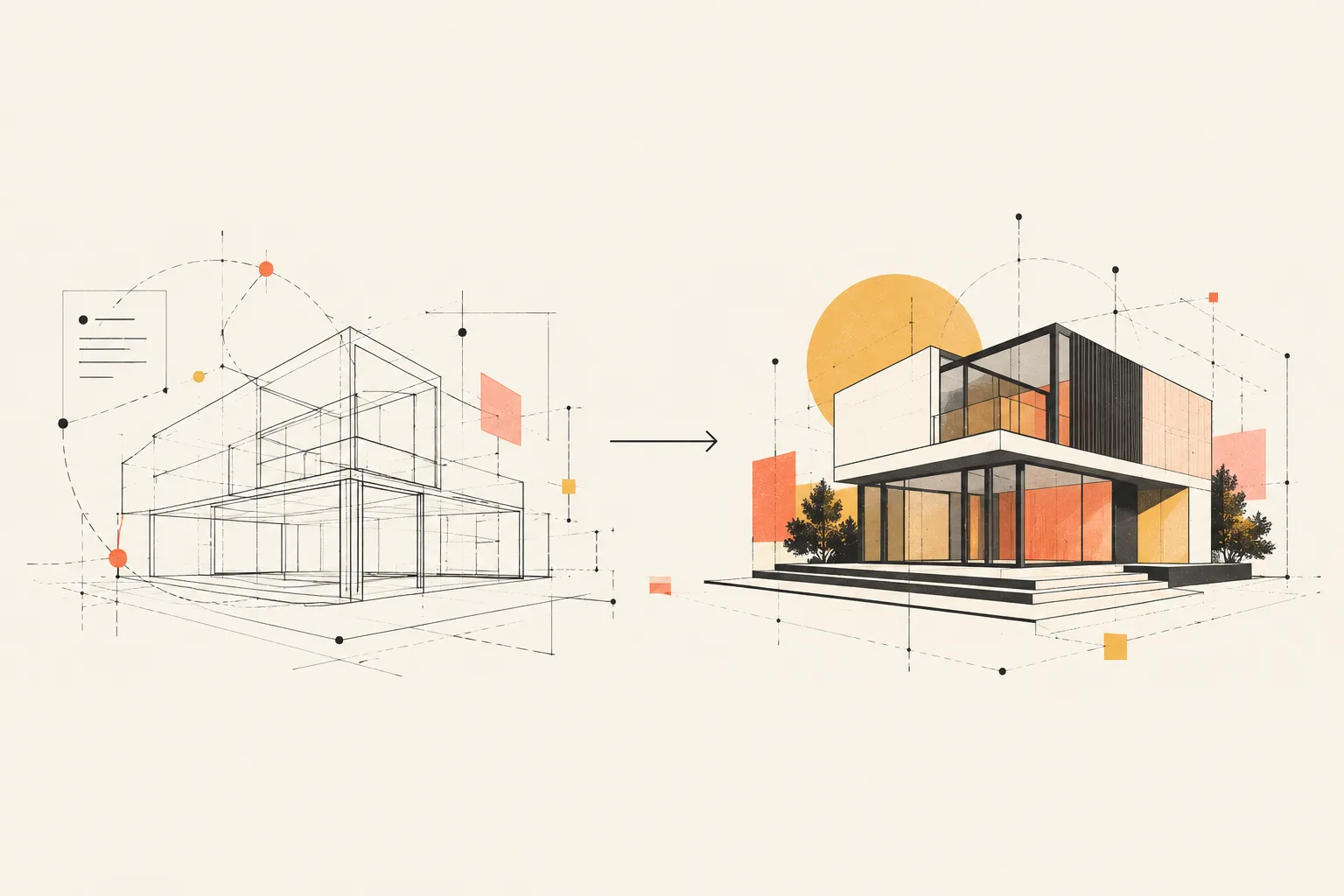
When I started freelancing, I thought scoping a project was mostly about understanding what a client wanted, estimating how long it would take, and deciding what to charge.
A client would describe an idea, I would picture how to build it, and I would start thinking about the features, the design, and the technology I would use.
It seemed straightforward.
But freelancing gradually taught me that understanding what someone wants and understanding what it takes to deliver it are two very different things.
Over time, I began to realise that some of the biggest challenges in software development don't come from writing code. They come from the decisions made before the first line of code is written.
Here are a few lessons that changed how I think about scoping projects.
1. A client's idea is not yet a project scope
Clients usually approach you with a problem they want to solve or an idea they want to bring to life.
They might want a website where customers can browse products, a platform where vendors can manage listings, or a system that automates a process they currently handle manually.
At first, the idea sounds clear enough.
But once you start asking questions, you discover the details hiding beneath the surface.
Who will manage the content? What happens when a user forgets their password? Are there different types of users? Can users make payments? What happens when a payment fails? Who approves submitted information? What should happen when something goes wrong?
Suddenly, what sounded like a simple website becomes a much larger system.
I've learned that a client's idea is the starting point for scoping, not the scope itself.
The real work begins when you start breaking that idea down into requirements, workflows, constraints, and decisions that can be implemented and tested.
2. Small features can hide big complexities
One of the easiest mistakes to make when estimating a project is to judge a feature by how simple it sounds.
Take user authentication, for example.
At a glance, it seems like a login form, a registration page, and a password reset option. But a production-ready implementation also involves validation, permissions, security, email verification, session handling, and different scenarios that need to be tested.
The same applies to features such as payments, notifications, search, reporting, and administrative dashboards.
The visible interface is often only a small part of the work.
This changed how I approach estimates. Instead of asking how long it will take to build a feature, I try to understand everything required to make that feature work reliably.
A feature is not complete simply because the happy path works. It also needs to behave correctly when users do unexpected things or when external services fail.
3. Every assumption has the potential to become extra work
Unclear requirements create assumptions.
You assume the client will provide the content. The client assumes content creation is included.
You assume the system only needs one administrator. The client later asks for multiple administrators with different permissions.
You assume a payment integration only needs to process successful payments. The client expects refunds, failed-payment handling, transaction records, and reconciliation.
Neither party necessarily intended to create a problem. The problem is that both were working with different understandings of the same project.
I've learned to make assumptions visible as early as possible.
If something is unclear, I ask. If a requirement has not been agreed upon, I document it. If a feature depends on information or services provided by someone else, I identify that dependency.
A little clarification at the beginning can prevent a lot of unnecessary work later.
4. Scope is also about knowing what not to build
As a developer, it's easy to get excited about possibilities.
You start thinking about additional features, better workflows, advanced dashboards, automation, integrations, and improvements that could make the product more useful.
Some of those ideas are genuinely valuable. Others can wait.
Without clear priorities, a project can keep growing until the original deadline and budget no longer make sense.
This is where I began to appreciate the difference between a useful product and a product that tries to do everything at once.
Not every good idea belongs in the first release.
Sometimes, the better decision is to identify the core problem, build the smallest version that solves it properly, and leave secondary features for a later phase.
Good scoping is not about fitting everything into the project. It's about deciding what deserves to be there first.
5. The scope should explain what done actually means
One of the most important questions to answer before development begins is: What does completion look like?
Without a clear answer, the project can become a moving target.
A client might consider a feature complete when the interface is ready. A developer might consider it complete when the functionality works. But a production-ready feature may also need validation, error handling, permissions, testing, and deployment.
I now see the value of defining deliverables and acceptance criteria before implementation.
For each major feature, it helps to establish what it should do, what it should not do, and how both the developer and client will determine whether it meets expectations.
This creates a shared understanding of the outcome rather than relying on assumptions about the work involved.
6. Changes are normal, but they need a process
No matter how carefully you scope a project, new information will emerge.
A client may discover a better workflow. A business requirement may change. Testing may reveal something nobody anticipated.
The lesson isn't to prevent every change. That's unrealistic.
The lesson is to distinguish between clarifying an existing requirement, correcting a defect, and introducing new functionality.
Those situations don't necessarily have the same impact on time, cost, or delivery.
When a new request comes in, I believe it's important to evaluate its implications before simply adding it to the task list.
Does it affect the existing architecture? Does it introduce new dependencies? Will it delay another deliverable? Does it require a change to the original agreement?
A change can be worthwhile, but both parties should understand what it means for the project.
7. Scoping is as much about communication as it is about technology
You can choose the right framework, design a solid database, and write maintainable code, but those things alone won't guarantee a successful project.
You also need to communicate clearly.
Clients should understand what is being built, what information you need from them, what the current priorities are, and what could affect delivery.
Equally, developers need to understand the business problem rather than simply implementing a list of instructions.
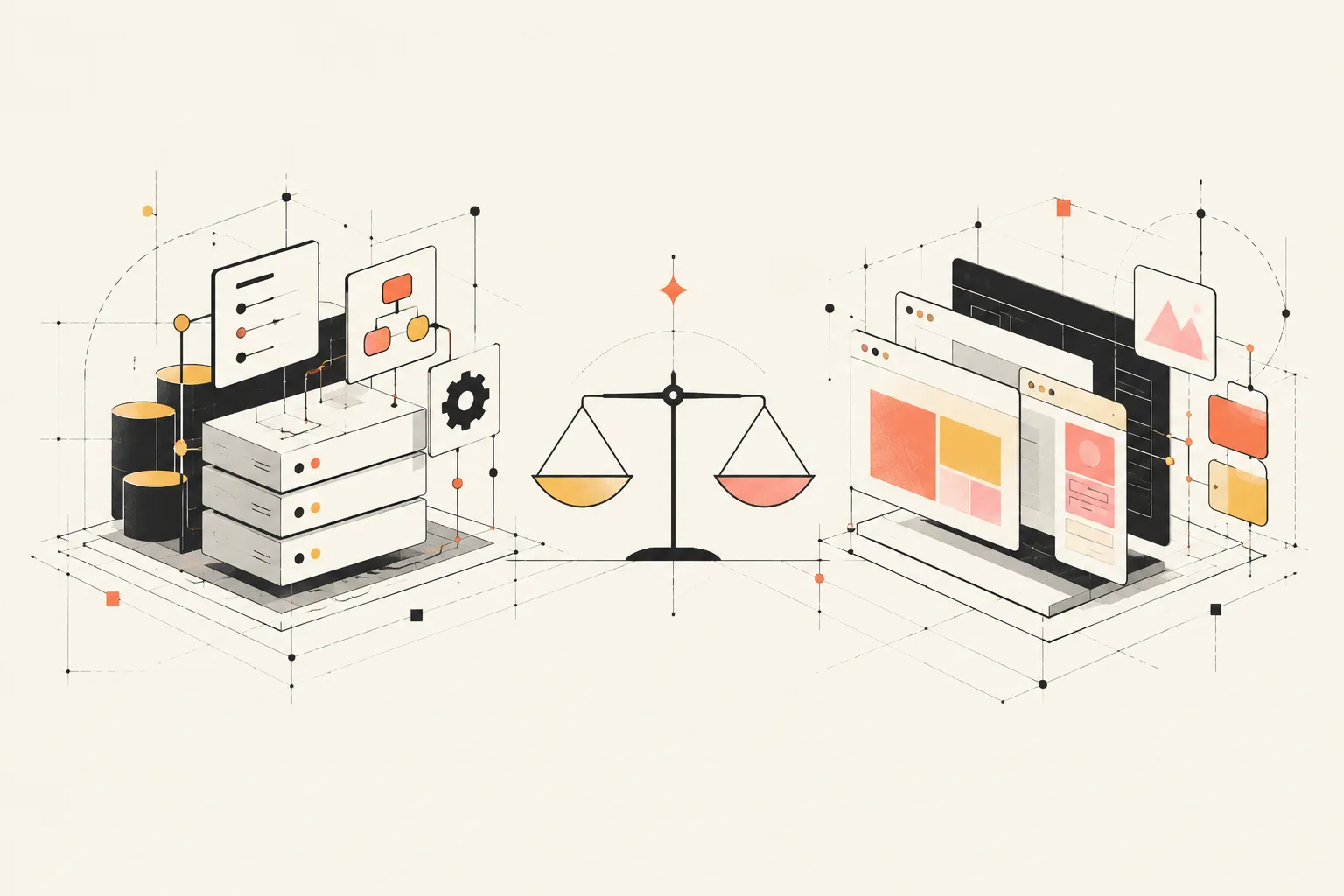
I've come to appreciate that good scoping creates a bridge between what a client imagines and what a developer can realistically deliver.
That bridge is built through questions, documentation, prioritisation, and honest conversations about constraints.
How I approach scoping differently now
I no longer think of scoping as a quick step before the real work begins.
It's part of the work itself.
Before starting a project, I want to understand the problem, identify the people who will use the system, map the important workflows, break the requirements into manageable features, identify dependencies, and agree on what the first release should accomplish.
I also want to be clear about what is excluded, what assumptions we're making, and how changes will be handled.
This doesn't mean every project needs a lengthy specification document or weeks of planning. The level of detail should match the project's complexity.
A simple landing page doesn't need the same scoping process as a multi-vendor marketplace or a business management platform.
The goal is not to create more paperwork. It's to reduce uncertainty before that uncertainty becomes expensive.
Final thoughts
Freelancing has taught me that the quality of a project is influenced long before the code is written.
The questions you ask, the assumptions you challenge, the boundaries you establish, and the priorities you agree on all shape the final outcome.
Good scoping won't eliminate every surprise. But it can make surprises easier to manage, expectations easier to align, and decisions easier to make.
Perhaps the biggest lesson is this: before figuring out how to build something, take the time to understand exactly what needs to be built and why.
Because sometimes, the most valuable work a developer does at the beginning of a project isn't writing code. It's asking the right questions.