When I tell people I studied Applied Physics and Computer Science, the next question is sometimes predictable: how did I end up in web development?
It's a fair question.
Physics and web development might seem like two different worlds. One involves understanding the principles that govern the physical world, while the other involves building websites, applications, and digital systems.
But looking back, I don't think the journey was as disconnected as it might seem.
My degree gave me a foundation in analytical thinking, mathematics, and computer science. Over time, I found myself increasingly drawn to the practical side of technology: taking an idea, breaking it down into smaller problems, and building something that actually works.
That interest gradually shaped my path into web development.
It started with a foundation in science and computing
I pursued a Bachelor of Science in Applied Physics and Computer Science at Multimedia University of Kenya.
Studying Applied Physics meant learning to approach problems systematically. You don't always get an answer immediately. You have to understand the problem, examine the available information, test your reasoning, and work through the details.
Computer Science introduced another dimension to that way of thinking.
It wasn't just about understanding how computers work. It was about learning how to express problems in a way that a computer could solve.
Those two disciplines complemented each other in ways I would appreciate even more later.
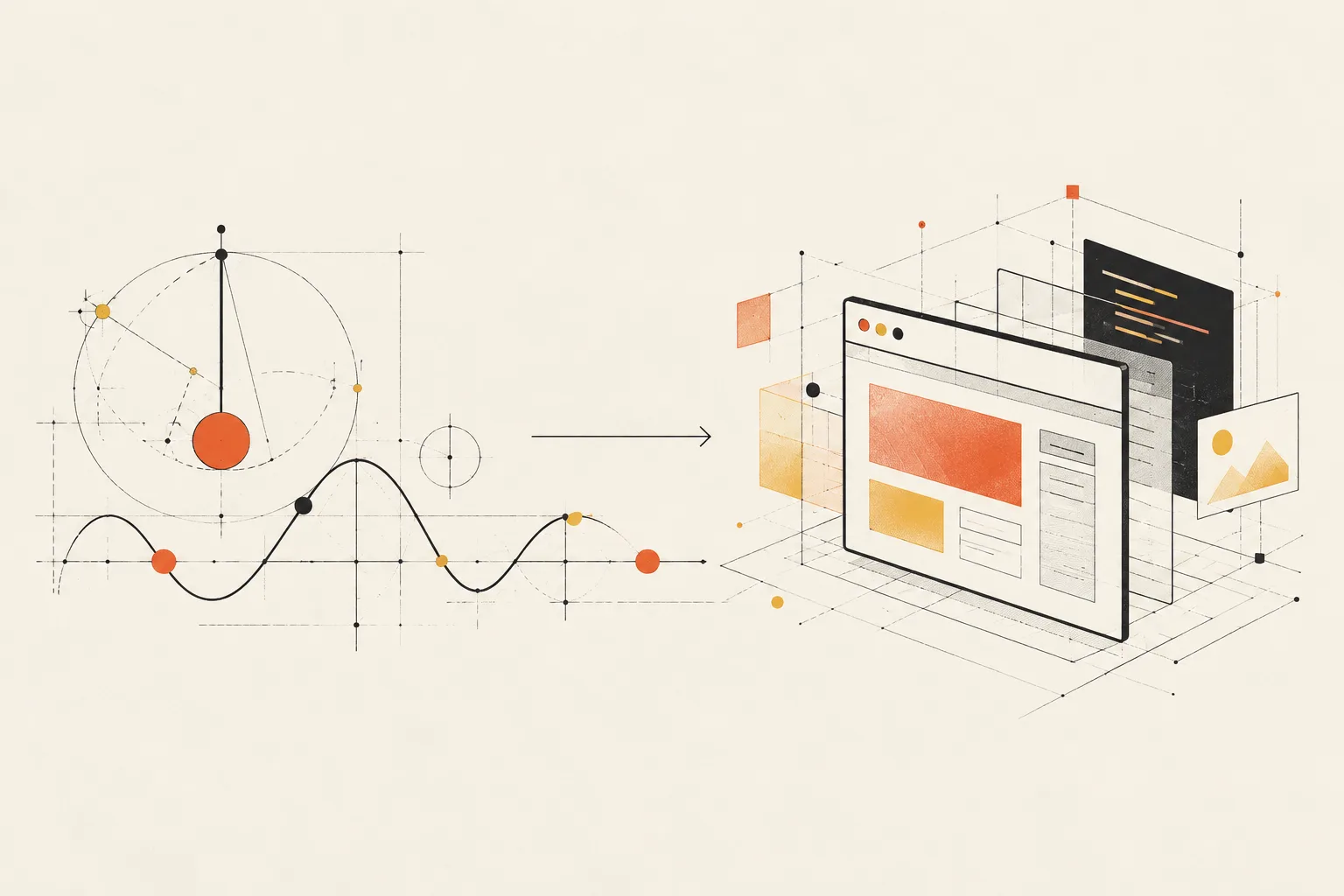
Physics encouraged me to think analytically, while computer science helped me understand how computational systems could be designed and built.
Eventually, I became more interested in applying that knowledge to practical software projects.
Discovering the world of web development
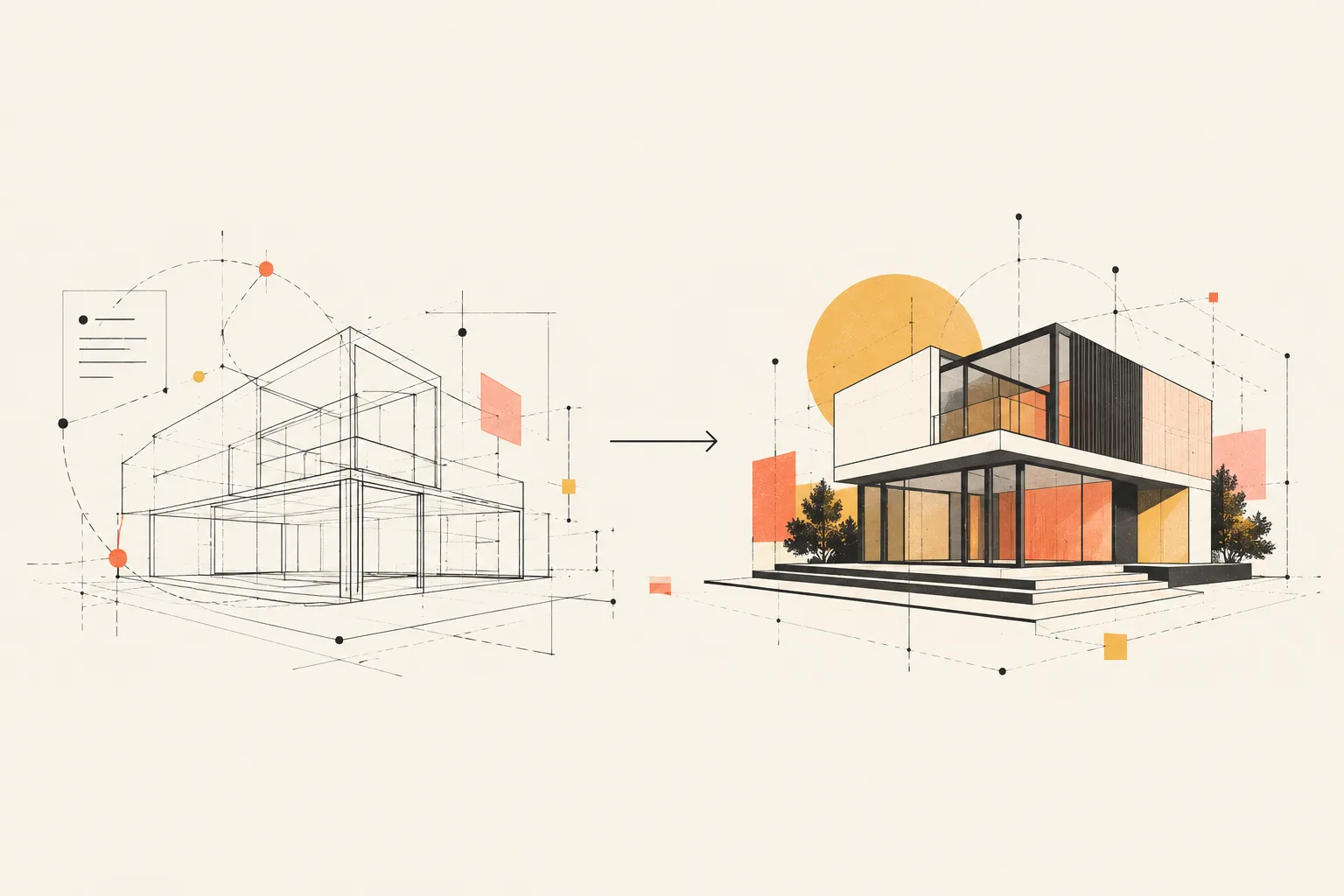
What I find exciting about web development is the ability to turn an idea into something tangible.
You can start with a business problem, design a solution, build the underlying logic, create an interface, and eventually put the finished product in front of people who can use it.
There's something satisfying about that process.
But the more I explored development, the more I realised that building software involved much more than writing code.
You need to understand the people who will use the system, the problem they're trying to solve, the information the application needs to manage, and what should happen when things don't go as expected.
A seemingly simple feature can involve several interconnected decisions.
That complexity is part of what keeps software development interesting to me. Every project presents a different problem to understand and a different solution to work towards.
Learning to build beyond the classroom
One thing I've come to appreciate is the difference between understanding a concept and applying it in a real project.
Academic learning provides a foundation, but building software requires you to bring different pieces together.
You have to think about database design, application logic, user experience, validation, security, performance, and maintainability.
Sometimes, the challenge isn't knowing how to write a particular piece of code. It's deciding where that code belongs, how it should interact with the rest of the system, and whether the approach will still make sense as the application grows.
That practical experience has been an important part of my development as a software developer.
Working on projects has pushed me to research unfamiliar concepts, troubleshoot problems, reconsider decisions, and learn from approaches that don't work as expected.
I've learned that becoming a better developer isn't about knowing everything. It's about developing the ability to understand problems, find reliable solutions, and keep improving.
Finding my place in the Laravel ecosystem
As I continued developing my skills, I became increasingly interested in full-stack web development.
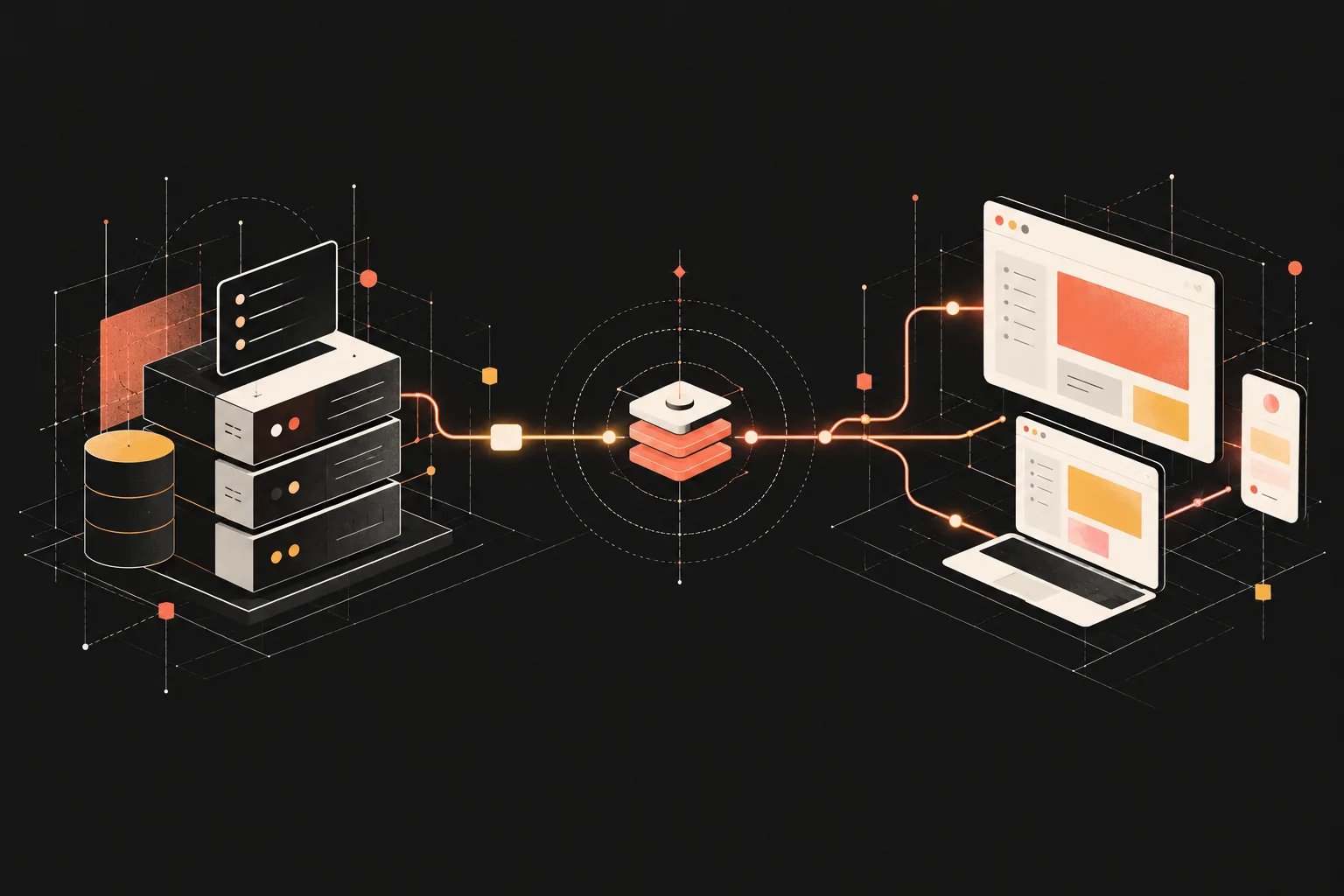
My work with technologies such as Laravel, Vue, Inertia.js, and Tailwind CSS has allowed me to explore both sides of application development.
On the backend, I enjoy working with application logic, database structures, authentication, permissions, and the processes that make a system function.
On the frontend, I enjoy translating requirements into interfaces that are clear, useful, and intuitive.
Laravel has become an important part of my development workflow because it provides a structured way to build applications, while Vue gives me the flexibility to create interactive user experiences.
What I enjoy most is bringing these pieces together to solve a practical problem.
I'm particularly interested in applications that go beyond presenting information: systems that help businesses manage operations, improve workflows, serve customers, and make everyday processes more efficient.
What physics still teaches me about software development
I don't see my background in Applied Physics as something separate from my work in technology.
If anything, it has influenced how I approach problems.
First, break complex problems down. In physics, understanding a complicated system often starts with identifying its individual components and the relationships between them. Software development benefits from the same approach.
Second, question your assumptions. An explanation that sounds reasonable isn't necessarily correct. In development, assumptions about requirements, data, and system behaviour need to be tested.
Third, follow the evidence. When an application behaves unexpectedly, I need to investigate what's happening rather than guess. Logs, error messages, tests, and reproducible steps help turn a vague problem into something I can solve.
Finally, be comfortable with continuous learning. Both science and software require curiosity and a willingness to revisit what you think you know.
These are not skills exclusive to physics, of course. But they are part of the foundation I carry into my work as a developer.
I'm still learning, and that's part of the journey
Software development is an industry where the tools, frameworks, and approaches continue to evolve.
There is always another concept to explore, another architectural decision to understand, or another way to improve the quality of your work.
I've learned not to measure progress only by how many technologies I know. I also consider whether I can make better technical decisions, understand business requirements more clearly, write more maintainable code, and deliver solutions that genuinely meet people's needs.
That's the direction I want to keep growing in.
My goal is not simply to build more websites or applications. It's to become a developer who understands the problem behind the project and can contribute to a solution that makes a meaningful difference.
Looking back, the journey makes sense
If someone had asked me to draw a straight line from studying Applied Physics and Computer Science to becoming a web developer, I might have struggled to explain every step.
But looking back, I can see the connections.
My education gave me a technical foundation. Working on software projects helped me apply that knowledge. And each new challenge has given me another opportunity to learn, experiment, and improve.
I may spend more time working with databases, APIs, interfaces, and application architecture than physical equations these days, but the curiosity that drives me to understand how things work remains.
Today, I get to use that curiosity to build digital products and solve practical problems through software.
And for me, that's what makes this journey worth continuing.
I'm Jonah, a web developer who enjoys turning ideas into functional, thoughtful digital experiences. This is one part of my journey, and I'm looking forward to what comes next.